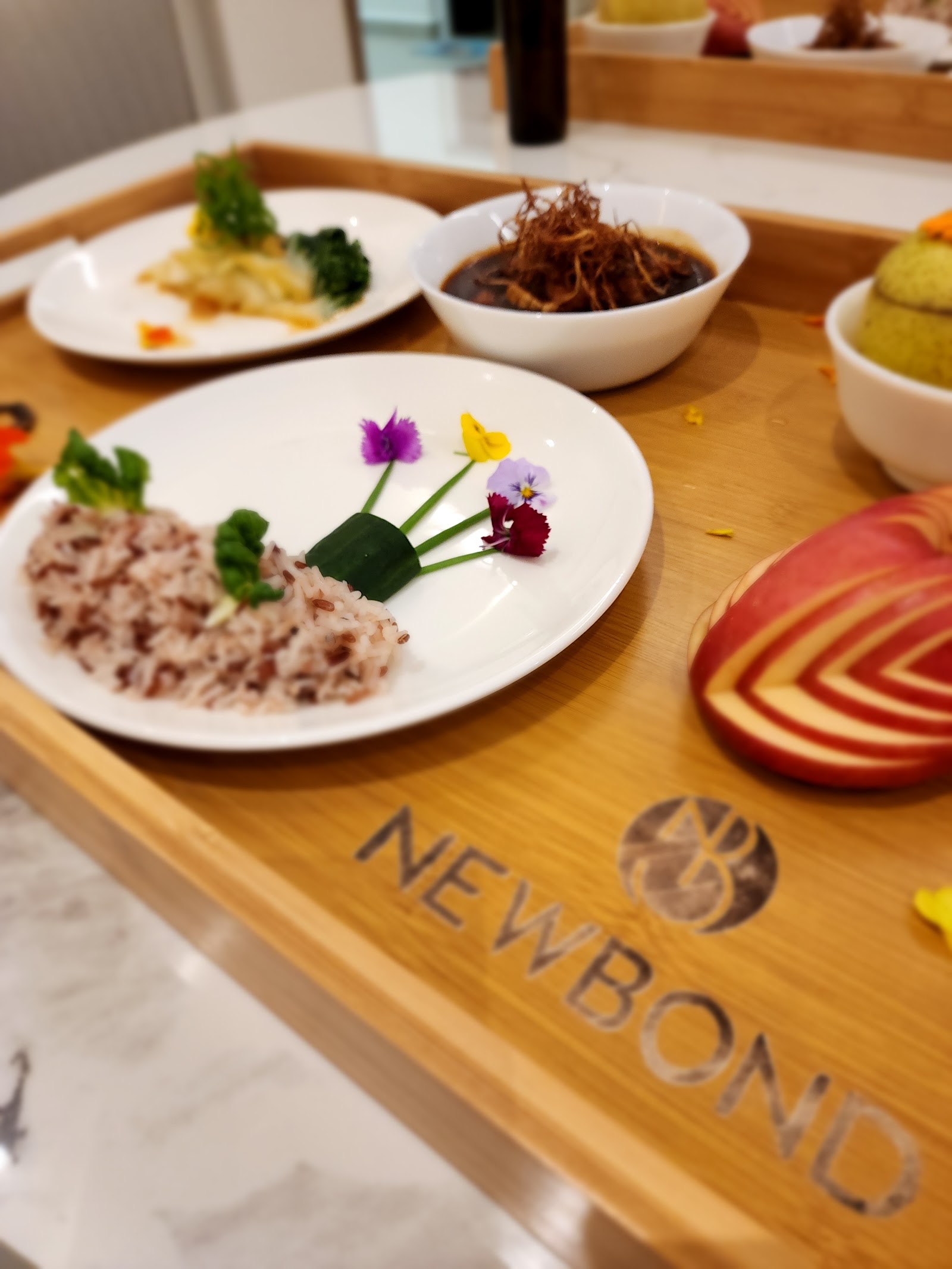
Day 29. The soup pot goes back in the cupboard, the ginger stops turning up in every single dish, and somewhere around lunchtime you realise nobody actually told you what happens next. Do you just eat normally now. Was any of the last 28 days based on real science, or was some of it your mother-in-law's opinion wearing a lab coat.
Both things can be true. Some of the confinement diet is genuinely useful, and some of it was only ever meant to last 28 days because that is a tidy, memorable number, not because your body has a hard stop written into it. The honest job now is sorting one from the other.
What your body is still doing at week 4
Confinement ending does not mean recovery ending. Your uterus is usually still shrinking back to its pre-pregnancy size around week 6, not week 4. If you are breastfeeding, you are burning roughly 300 to 500 extra calories a day just making milk, and your calcium needs rise by about 250 to 300mg daily to protect your bone density while your body prioritises the milk supply over your own skeleton. If you lost a meaningful amount of blood at delivery, your iron stores can take 2 to 3 months to fully rebuild, not 4 weeks.
None of that switches off because the centre packed up or your mother moved back to her own house. The nutrients still matter. What changes is that you now have to source them yourself, from a normal kitchen, without a nanny timing your meals.
Keep these, no expiry date
- Warm-leaning meals. Not a strict rule, just a comfort worth keeping in KL's over-air-conditioned offices and malls. Nobody is checking.
- Ginger in cooking. A moderate amount, a few slices in a stir-fry or soup a few times a week, is a perfectly normal long-term habit, not a confinement-only ritual.
- Calcium-rich soups. Tofu, fish bone broth, and dairy if it agrees with you are genuinely useful while breastfeeding, and worth keeping past day 28.
- Red dates and wolfberries in tea. Mild, pleasant, no reason to stop if you like them, though they are not a substitute for actual iron-rich food like liver, red meat, or dark leafy greens.
- Regular meal timing. The confinement schedule of eating every 3 to 4 hours instead of skipping meals is one of the best habits to carry forward, especially with a newborn eating your day in small pieces.
Retire these around week 6 to 8
- The absolute cold water ban. Room temperature or slightly warm water is a nice habit, but plain cold water will not undo your recovery, and proper hydration actually supports milk supply more than avoiding ice does.
- Total avoidance of raw fruit and vegetables. These carry fibre and vitamin C that a soup-heavy diet is often quietly short on. Reintroducing them gradually from week 5 or 6 is reasonable for most mums.
- Daily sesame oil chicken or ginger wine as an obligation. Delicious occasionally, heavy on oil and sodium as a daily habit for months. Once a week is a treat. Every day past week 8 is just a lot of oil.
- Blanket bans on "wind" foods. Certain seafood, cucumber, and other foods labelled as bringing in wind or cold can retire unless you have an actual, specific reaction to them. A general family rule is not the same as a real allergy.
Building the transition plate
A simple way to rebuild your own plate without a nutritionist on call: a palm-sized portion of protein, a fist-sized portion of complex carbs like rice or noodles, half the plate in vegetables and fruit, and a thumb-sized portion of healthy fat like nuts or a good cooking oil. If you are breastfeeding, aim for roughly 2.5 to 3 litres of fluid a day, not because water is magic, but because thirst is an easy thing to ignore when a baby is crying and the water bottle is in the other room.
This does not need to happen on day 29 exactly. A gentle taper from week 5 to week 8, less soup each week and more of everything else, is kinder and more sustainable than switching your entire diet overnight.
The honest part: when family insists you are not done yet
Some mums hit week 10 and the soup is still arriving daily, because someone in the family genuinely believes confinement is not really over until you say it is over, or until the soup runs out on its own. This disagreement is real, and it usually comes from love, even when it feels like pressure.
A script that tends to work better than an argument: thank the person, eat some of what they bring, and quietly build the rest of your plate around normal food. If there is a genuine concern, unusual fatigue that does not lift, hair loss well beyond the normal 3 to 6 month shed, or a racing heart and cold intolerance, that is worth a proper conversation with your doctor and a simple blood test for iron and thyroid function, not another week of soup.