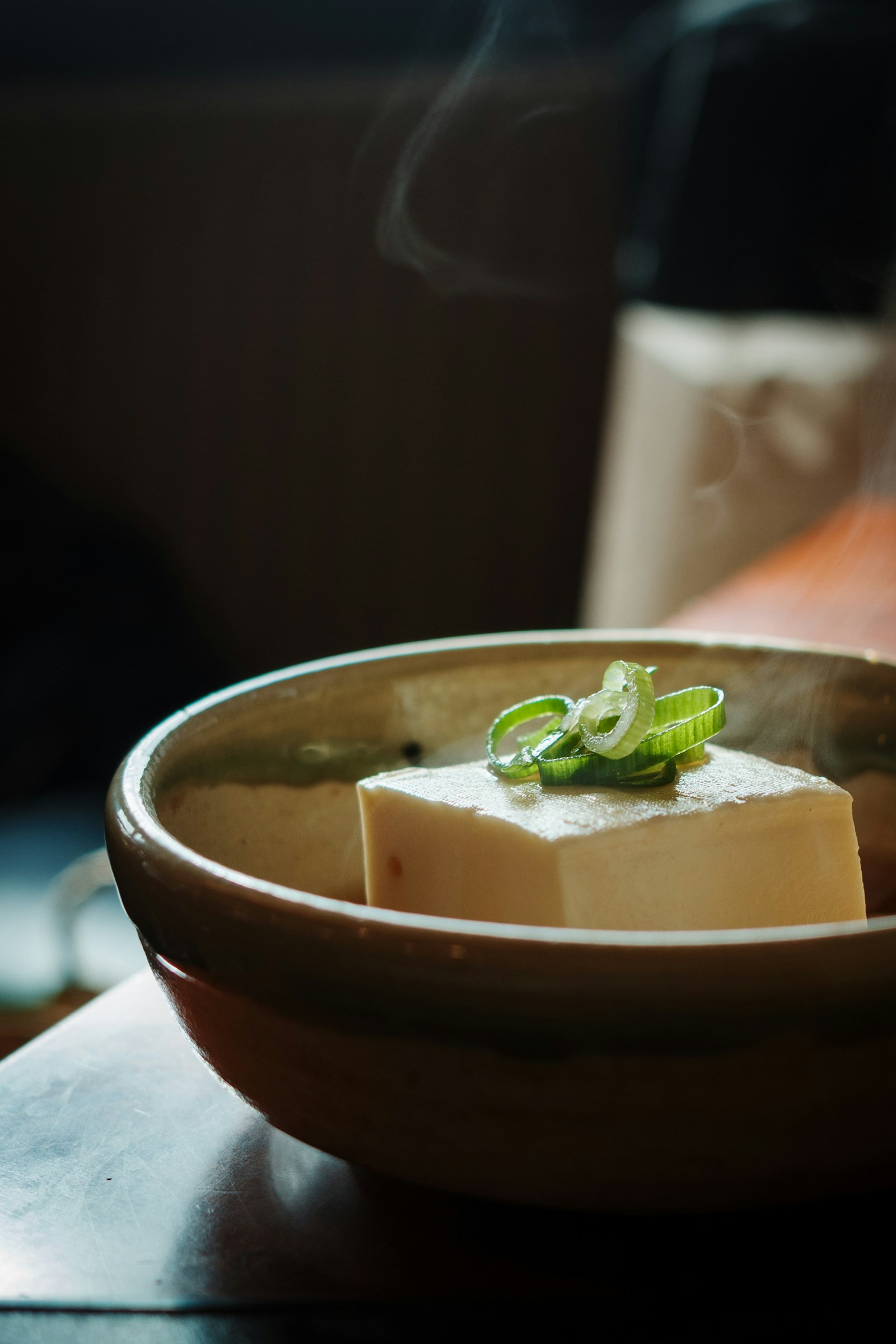
"You can't do proper confinement if you're vegetarian." A well-meaning aunty said this to one of our mums at a family dinner last month, straight-faced, over the yam basket. The mum cried the whole way home in the car.
Both halves of that sentence are wrong. You can. Plenty do. And the version we've built for our vegetarian mums does the same three jobs the classic diet does, just with different ingredients on the plate.
What the confinement diet is actually built to do
Strip the folklore back and the traditional 月子 diet has three jobs:
- Warm the body. The theory is that birth leaves you "cold" (气血虚, or literally low in qi and blood), and warming foods speed recovery. In practice, warm food helps digestion recover, and digestion drives everything else in the first two weeks.
- Rebuild blood and iron. You lost 300 to 500ml of blood at a straightforward vaginal birth. More at a C-section. Iron-rich foods and blood-building herbs (dang gui, red dates, goji) rebuild what you lost.
- Support milk supply and healing. Protein, fat, and dense calories in small warm doses, so a tired stomach can actually process them.
None of these require pork. They just usually get delivered via pork because that's what the Cantonese kitchen had on hand.
The vegetarian swaps that actually work
The good news: Chinese vegetarian cooking has 2,000 years of practice with this exact problem. Buddhist temple kitchens have been feeding recovering people warm plant-based food for longer than confinement has been a word. Here's the roster we actually use:
- For warmth: ginger (fresh and old), sesame oil (the dark toasted kind), black pepper, cinnamon bark, dang gui (当归), red dates, longan.
- For blood-building: black beans, black sesame, red dates, goji berries, mulberries, dark leafy greens (spinach, kalian, sweet potato leaves), beetroot.
- For protein: tofu (soft, firm, and dried), tempeh, mock meats (used sparingly, they're heavy on sodium), eggs (if you're lacto-ovo), lentils, mung beans, adzuki beans.
- For fat and calories: avocado, peanut, walnut, sesame paste, coconut milk, sesame oil.
- For milk supply: green papaya, fenugreek in moderation, oats, fennel, dark leafy greens.
You'll notice black sesame appears three times. It genuinely does that much work.
Iron, B12, and protein: the three numbers to track
The three risks that actually matter for a vegetarian mum, none of them mystical:
Iron. You need about 20mg a day while breastfeeding. Spinach alone won't get you there (the iron in plants is non-heme, and only half of it gets absorbed). Pair with vitamin C at the same meal: red dates and citrus with your iron-rich greens. Cook in a cast iron pot when you can. If you were low in pregnancy, keep taking your prenatal iron for another 6 to 12 weeks. This is the single most missed nutrient in postpartum vegetarian mums, and low iron looks exactly like "confinement isn't working": fatigue, low mood, dizziness, hair loss on top of the normal hair loss.
B12. Only in animal products in nature (plus fortified foods and supplements). If you were on a B12 supplement in pregnancy, don't stop. If you've never taken one and you're strict vegan, start. 1000 mcg once a week is enough. Low B12 in a breastfeeding mum can affect the baby too, so this one isn't optional.
Protein. Aim for about 70 to 80g a day while nursing. That's roughly: two eggs, a palm of tofu, half a cup of lentils, and a handful of nuts, spread across the day. Not one giant tofu block at dinner. Small warm doses every 3 to 4 hours is what a healing gut wants.
A real day of vegetarian confinement food
What our kitchen actually sends up to a vegetarian mum on day 10, translated for anyone doing this at home:
- Breakfast: warm oat and red date porridge with black sesame and walnut, one soft-boiled egg (if you eat them), sliced ginger tea.
- Mid-morning tonic: a small bowl of double-boiled black bean and walnut soup. Small. Warm. Sipped, not gulped.
- Lunch: steamed rice with ginger-sesame tofu, sauteed sweet potato leaves with garlic, a small bowl of red date and goji tea.
- Afternoon tea: a slice of steamed papaya, a small mug of longan and red date water.
- Dinner: sesame oil vegetables with tempeh, steamed egg custard (if lacto-ovo), a small clear mushroom broth with dang gui.
- Late supper (if hungry after a night feed): a small bowl of warm black sesame paste (黑芝麻糊).
Five to six small warm meals. About 1,900 to 2,100 calories total, roughly 80g of protein. That's the shape.
The honest part: not every family will agree
Some elders in your family will look at this plan and worry. Not because it's wrong. Because it doesn't look like their memory of confinement, and that memory is tied to specific women who raised them well. Disagreeing with the menu feels like disagreeing with those women.
Two things help. First, invite them to try the food. A double-boiled black bean and walnut soup, made properly, is not a compromise dish. It is a good soup. Second, if they're worried about milk supply, that's a real thing you can measure. If your baby's wet nappies are on target and weight gain is on track by week 2, the diet is working. If not, you have real data to adjust with, not folklore to argue about.
And if you're pregnant right now and worried about this conversation: bring it up before the baby arrives. Not on day 3. Day 3 is not the day for a diet debate.
Two things worth double-checking with your doctor or dietitian: your ferritin (iron store) level at your 6-week check, and your B12 level if you're strict vegan. Both matter. Both are easy to fix if they're low. This is information, not medical advice. Your doctor knows your case.