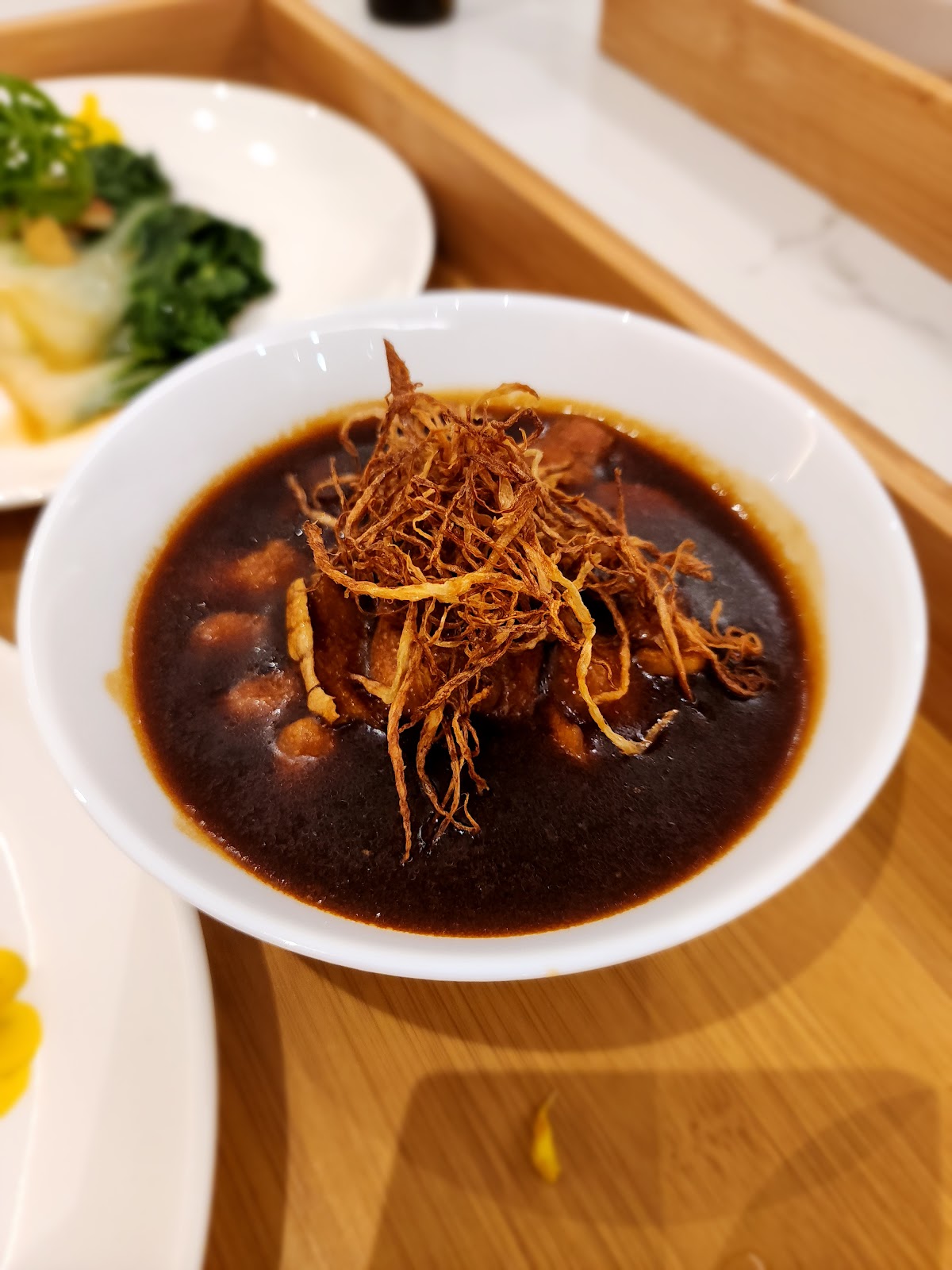
Someone in your family has a list. It lives in their head, gets recited at every meal from week 6 onwards, and contains at least three items that contradict what your OB told you last Tuesday. No pineapple. More bird's nest. Limit watermelon - it is "too cold." Eat more red dates. Never drink coconut water. Avoid raw fish, of course. And absolutely do not touch that durian.
Some of this is right. Some of it is folklore that has survived decades by sounding authoritative. Some of it is dose-dependent, which means both camps can technically be correct at the same time. Here is a quieter, more useful version of that list.
The four that actually earn their place
Folate. Start it before you conceive if you can, and keep taking it to at least week 12. The target is 400-600mcg of folic acid daily, on top of what you get from food. Leafy greens, edamame, lentils, and tofu all contribute. Your prenatal supplement handles the gap. Folate reduces the risk of neural tube defects during the first 28 days of fetal development - well before most people even know they are pregnant. This one is non-negotiable.
Iron. Your blood volume increases by nearly 50% during pregnancy. Iron keeps that expansion running cleanly. Red meat, legumes, tofu, fortified cereals, and dark leafy greens all provide it. To absorb it better, pair iron-rich foods with something high in vitamin C: a squeeze of lime on your lentil soup, an orange after a meat dish. To reduce absorption: black tea and coffee taken with a meal. Not prohibited - just worth spacing out from your iron-rich foods by an hour if your levels are borderline.
Protein. The sweet spot is around 70-100 grams a day from the second trimester onwards. Fish, chicken, eggs, tofu, tempeh, legumes. If you are having a typical Malaysian lunch with one protein dish, you are probably hitting your target without counting a gram.
DHA and omega-3s. Your baby's brain and eye development depend on these from around week 16 onwards. Low-mercury fatty fish - salmon, sardines, and mackerel (the smaller Pacific variety, not the large king mackerel) - are your best food sources. Walnuts and chia seeds add a small plant-based contribution. Check whether your prenatal vitamin includes DHA; many do, but not all, and the difference matters.
The traditional picks worth listening to
Your relatives are not entirely wrong.
Ginger. Multiple randomised controlled trials support ginger for first-trimester nausea. Ginger tea, ginger biscuits, fresh ginger stirred into your congee. The effective dose in studies was around 1,000-1,500mg of ginger per day - a cup of decent ginger tea gets you there. This is one of the few folk remedies that has actually been tested.
Red dates (hong zao, 红枣). The iron content is real, if modest. They are pleasant in teas and soups. The claim about "warming the uterus" does not have a clinical trial behind it, but red dates are nutritious, easy to eat, and unlikely to cause harm. You do not need to believe the mythology to enjoy the food.
Black sesame. Decent calcium. Good iron. Tasty added to congee, soups, or smoothies. Your grandmother was onto something here.
Fish soups. A slow-cooked broth with white fish, tofu, or small dried fish is one of the best things you can eat during pregnancy - high protein, easy on a queasy stomach, omega-3s, and collagen from the bones. This is one place where traditional practice and nutrition science line up cleanly.
The blacklist that is mostly myth
Pineapple. The bromelain-causes-miscarriage concern is not baseless in theory - but the quantities involved are extreme. You would need to eat roughly 7 or more cups of fresh pineapple daily, consistently, before the enzyme levels could cause any issue. A slice with your breakfast, or a glass of juice: completely fine. The fear is out of proportion to the realistic dose.
"Cold" foods: watermelon, cucumber, coconut water. Traditional Chinese medicine's hot/cold food framework is about digestive constitution and balance, not about direct pharmacological effects on the uterus. Coconut water is a safe, hydrating option during KL's heat. Watermelon is mostly water plus lycopene. Both are fine in sensible amounts.
Durian. One to two portions is fine for most healthy pregnancies. The genuine concern is sugar load: durian is high in natural sugars, and if you have had a borderline glucose screen or are monitoring for gestational diabetes, moderation genuinely matters. For everyone else: makan lah, within reason.
Cooked shellfish. Perfectly safe. The "avoid all seafood in pregnancy" rule applies specifically to raw or undercooked shellfish (a food safety concern, not a TCM one). A plate of cooked prawns, clams, or mussels is fine at any point in pregnancy.
A few things genuinely worth limiting
Liver. High in haem iron, yes - but also extraordinarily high in preformed vitamin A (retinol). Very high retinol intake in the first trimester is associated with birth defects. Eating liver once a month as an occasional iron source is fine. Eating it weekly as your go-to strategy is not. If you are managing low iron, there are better daily options.
Raw fish and sashimi. This is a food safety issue, not a nutritional one. Listeria from raw fish is rare but more serious during pregnancy, particularly in the first trimester when the risk is highest. Cooked fish is fine throughout pregnancy.
High-mercury fish. Limit canned tuna to 2 servings per week. Avoid king mackerel (ikan tenggiri besar) and swordfish during pregnancy. Salmon, sardines, anchovies, and smaller mackerel are all low-mercury and safe options you can eat freely.
The honest part
Here is where confident food lists fall apart: pregnancy nutrition research is genuinely difficult to do. You cannot run randomised controlled trials on pregnant women the way you can for other groups - the ethics prevent it. Most of what we know comes from observational studies, case series, and inference. That is solid science, but it generates probabilities and associations rather than clean cause-and-effect statements.
Dose and form matter enormously. Vitamin A from sweet potato (beta-carotene) behaves completely differently in the body from vitamin A in liver (preformed retinol). The "durian causes early labour" claim comes from its classification in TCM as a heat-producing food, not from any obstetric study. The bromelain-pineapple concern is real in theory but irrelevant at normal serving sizes.
Individual variation is also real. A food that spikes your blood sugar might sit fine with your neighbour. Someone with low iron might genuinely benefit from liver weekly; someone else would be overdoing the vitamin A. Your midwife or OB knows your specific numbers and history. The general principles here are a reasonable starting point - the decisions that actually affect your pregnancy are best made with someone who has your file in front of them.