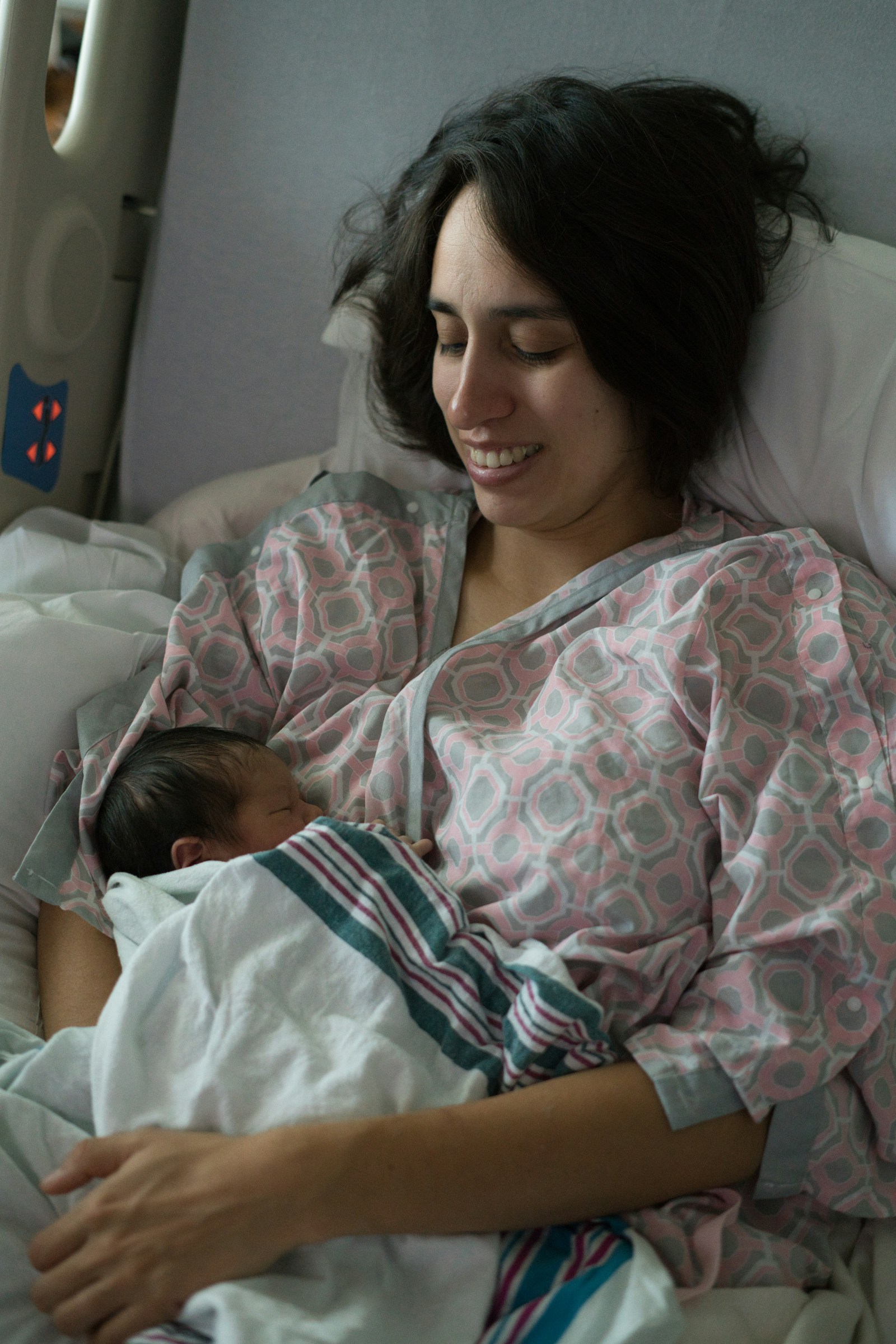
Day 2 after your caesarean. Your mother-in-law arrives with a flask of sesame oil chicken and a plan: walk more, bathe in ginger water, wrap the belly tight. Your wound, meanwhile, hurts when you laugh. Both of you are trying to help. Here is how to sort it out.
What stays exactly the same
The heart of 月子 does not change. You still need 28 days of rest, warm cooked food, someone else doing the night shifts, and a short guest list. If anything, you need these more. You have had a baby and an operation in the same week.
The traditional idea of "keeping the body warm and not overworking it" suits surgical recovery well. Nobody needs to talk you out of lying down.
Change 1: the wound comes first
A C-section cuts through skin, fat, muscle sheath and the womb. The skin looks closed in 1 to 2 weeks. The deeper layers take about 6 weeks to regain most of their strength. This is why the 28 days of confinement are a good start, but not the finish line.
- Keep the wound clean and dry. Follow the dressing instructions your surgeon gave you. They differ between hospitals.
- Showering is usually allowed early. Many surgeons say yes within a day or two, with the dressing handled as advised. Ask on the day you leave hospital, and write the answer down.
- Hold a pillow over the wound when you cough, sneeze or laugh. It feels silly and it works.
- Lift nothing heavier than your baby for about 6 weeks, unless your surgeon says otherwise.
Change 2: bathing and the herbal water
The ginger and mugwort bath is a comfort, but a fresh incision should not sit in it. Until your surgeon confirms the wound has sealed, a sponge wash or a quick shower is the safer route. After that, herbal water on the rest of your body is fine. You lose nothing by waiting, except a few days of steam.
Change 3: food, in a slightly different order
After surgery your gut is slow. Gas can be sharper than the wound pain, and some mums say it is the worst part of days 2 to 4. Painkillers and iron tablets make constipation more likely.
- Start light. Plain congee, clear soups and soft vegetables first. Build up to the heavy sesame oil dishes once you are passing wind and your bowels are moving.
- Protein and greens matter. Chicken, fish, eggs, tofu and leafy vegetables give your body the building blocks to repair tissue. Traditional confinement food does this well.
- Drink enough warm fluids. It helps the bowels and, if you are breastfeeding, the milk.
- Go easy on the wine. When you are tired, sore and on painkillers, the lighter version of a dish is a good choice. Ask your doctor about any medicine you take.
Change 4: moving, but in small doses
Hospitals usually get you out of bed within 24 hours of surgery. This is not cruelty. Short walks lower the risk of blood clots and wake the gut up. At home, aim for 5 to 10 minutes of slow walking, a few times a day, and stop when it pulls. Rest the rest of the time. Stairs, housework and carrying the older child can wait.
What about belly binding?
The bengkung or long cloth wrap is popular, and a binder can feel good on a sore belly. But tight wrapping over a fresh wound can rub the dressing, trap sweat and leave you short of breath. Ask your surgeon first. If you get the green light, choose a soft, wide binder that you can breathe in, and take it off if the skin looks red or damp.
Five questions to ask before you leave hospital
Surgeons differ, and a rule that suits your friend may not suit you. Write the answers on your phone, because you will not remember them at 3am.
- When can I shower, and what do I do with the dressing?
- Do the stitches dissolve, or do they need to come out? When?
- Which painkillers are safe while I breastfeed, and how often can I take them?
- When can I climb stairs, drive and lift my older child?
- Which signs mean I should call you, and what number do I use at night?
Bring the same list to your 6-week check. By then you can ask about exercise, the scar and the next pregnancy.
The honest part: "longer confinement for caesarean mums"
You will hear that C-section mums must confine for 44 days or avoid a long list of foods. The truth is less dramatic. Your body does need around 6 weeks to heal, so extending your rest makes sense, especially if you have an older child or no help at home. But there is no proof that a longer list of food rules helps the wound. Rest, protein, fluids and a clean dry wound do most of the work. Families disagree on the details, and that is fine.