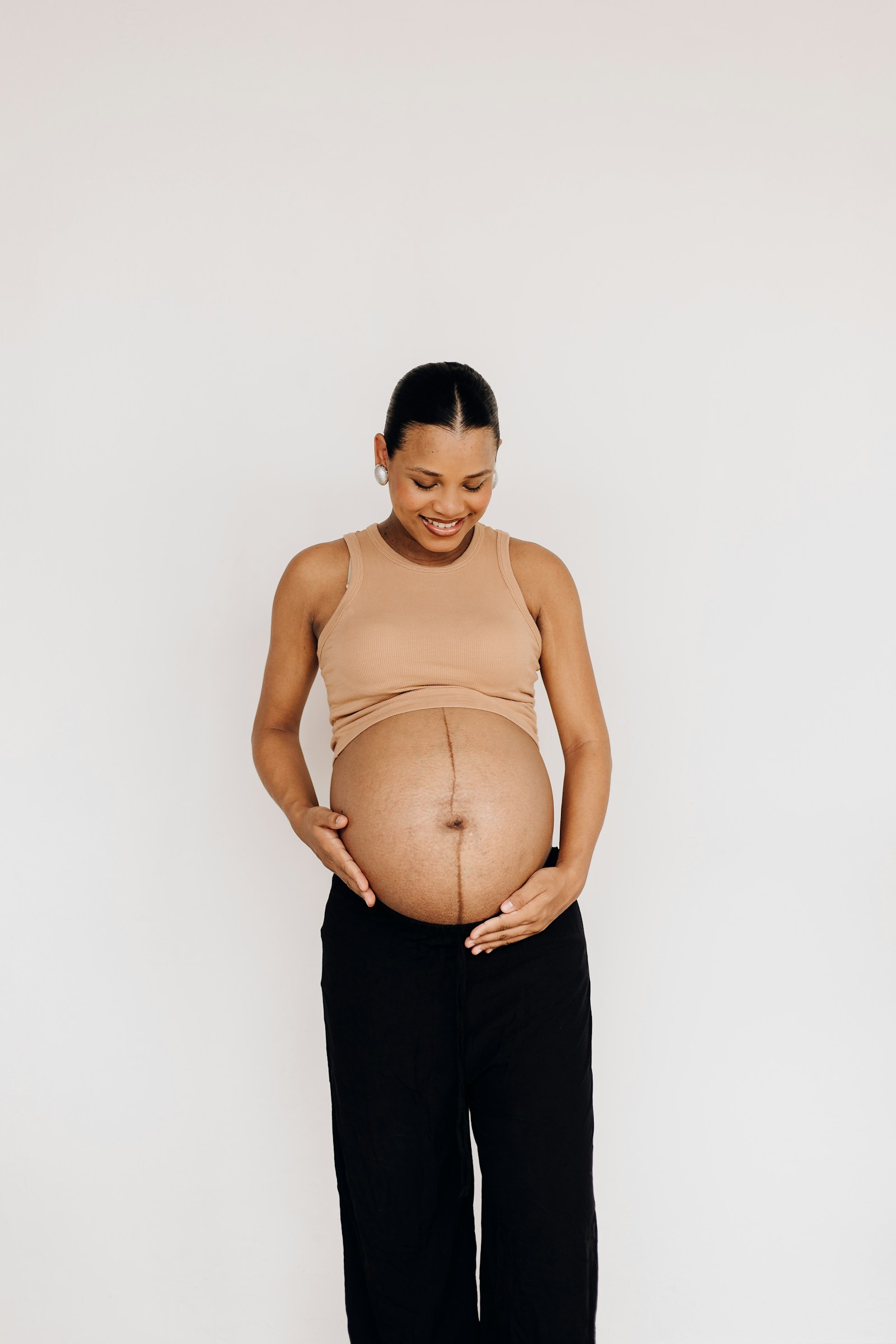
Week 36. You are brushing your teeth in the mirror and the tote hanging on the wardrobe door catches your eye. Empty. Not one nightie, not one nappy. Baby is technically only three weeks off full-term, but every mama-friend group has that one story about the cousin who came at 36+3 in a taxi. Toothbrush still in your mouth, you start calculating what you would grab if the ward called you tomorrow.
Here is the timeline that skips the panic. Not a single 40-line checklist, because a 40-line checklist at week 36 is exactly why the bag stays empty. Instead: three tiers, three bags, and one honest test at the end.
Why 36 weeks (and not 34, and not 39)
Baby is considered full-term at 37+0. Before that, doctors will usually try to slow labour if it starts too early, especially before 34 weeks. But between 34 and 37 weeks, if labour is genuinely going, most KL OBs will let it run and welcome a slightly early baby. Roughly 1 in 10 Malaysian first-time mums go into labour before 37 weeks. Nobody schedules that day on their calendar.
Week 39 is when a lot of mums first think "I should pack." That is fine if your baby cooperates. Half of them don't. Waiting till 39 assumes you already know the exact day, and you don't. Aim for the bag done by 36+0, refined by 37+3, and refreshed at 38+0. That gives you a two-week runway where you're prepared but not tapping your feet.
Bag 1: your labour bag (the big one)
The main hospital tote. Not a suitcase, not a weekender. A soft duffel or tote you can hoist one-handed. What goes in:
- Photocopy of your IC, hospital card, insurance letter, and a printed one-page birth plan (even if the plan is "whatever keeps us both safe").
- One loose going-in outfit. A stretchy dress or a nightie that opens at the front. This is what you'll wear to admissions.
- 2 dark long nighties, front-opening for skin-to-skin and breastfeeding. Dark hides lochia. White is a bad idea for the next 6 weeks anyway.
- 4 to 5 pairs of dark cotton knickers, or one pack of disposable postpartum briefs. High-waisted for C-section coverage.
- A pack of overnight maternity pads (some KL hospitals provide, some are stingy; bring your own is safer).
- Thick cotton socks. KL private-hospital theatres run at 18C, and the ward AC is not much warmer.
- Non-slip slippers you can walk to the toilet in without looking down.
- A warm cardigan for feeding at night when the AC bites.
- Phone charger with a long cable (at least 2m). Sockets are never where you'd like them.
- A water bottle with a straw. Drinking from a bottle while lying flat is a lot harder than it sounds at 4am.
- Lip balm and a hair tie or scrunchie. You will need both within the first hour.
- Toiletries in a wet-bag, plus your own shampoo and a face wash you actually like.
- A dark towel. Blood on a white hotel towel is a scene you cannot un-see, and the ward's little hand towels don't stretch far.
- Nipple balm (lanolin or a plant-based version) and 1 pack of nursing pads, before it hurts.
- A pen. Genuinely. Every ward runs out.
- Snacks that survive being ignored for a day: dates, dark chocolate, a protein bar or two.
Bag 2: baby's bag
Smaller than you think. Newborns have short lists.
- 4 or 5 cotton onesies. Half in newborn size, half in 0 to 3 months. Some KL babies land at 3.9kg and skip newborn size entirely from day 1.
- A cotton hat. Babies lose heat from the head fast, and hospital AC is not gentle.
- 4 or 5 muslin cloths. Spit-up, burping cover, a very-lite swaddle, sun over the eyes in the discharge photo. They earn their space.
- 1 proper warm swaddle. KL cold aircon is real cold to a fresh baby.
- Going-home outfit in 2 sizes. Weather-appropriate, so no heavy fleece in July. A cotton onesie plus a light jacket is enough.
- A small pack of newborn nappies (5 to 6). Most hospitals provide, but the transition to going home wants 2 in your bag.
- Skip: booties, hairbands, and the 12 outfits Instagram sold you. None of these stay on.
Bag 3: the grab-pouch by the front door
This is the one nobody tells you to pack, and the one that actually saves the day. From week 38 onwards, keep a small pouch (a fabric zip pouch or a small crossbody bag) by the front door. If labour starts at 3am and you have 10 minutes to leave, you grab this and go. Your partner brings the bigger bags after.
What lives inside:
- Photocopy of IC and insurance card in a ziplock.
- A short phone charger cable, in case yours stays home.
- 1 snack bar and a small bottle of water.
- Travel toothbrush and toothpaste.
- One clean pair of undies and 1 pad.
- RM 200 in small notes (RM 10 and RM 20). Hospital vending machines and Grab drivers do not do RM 100.
The point of this pouch is time. Twenty-four hours of you being covered, while everything larger catches up.
Bag 4: your partner's bag (yes, four)
Delivery is not a five-hour play; it can be twenty. Your partner needs their own things or they'll live in yours.
- Your discharge outfit, because the belly does not disappear on day 2. Something soft and stretchy that pulls on, not buttons up.
- Baby car seat, installed and tested by week 36. Most KL private hospitals now check for one at discharge and will not let you go without it.
- Your partner's phone charger and 24 hours of clothes.
- Snacks for them. Nothing crunchy in a quiet ward.
- A small blanket or muslin for the car ride home. It's baby's first drive with the AC on.
The six things almost everyone forgets
- A pen. Wards run out constantly, and you'll sign forms in the first 2 hours.
- A phone-charger cable long enough to reach from the wall to your bed. 2m minimum.
- Nipple balm, packed before it hurts. Buying it on day 3 in a panic never goes well.
- A dark towel. See above.
- Thick socks. Not thin cotton socks; the kind you'd wear to a cinema in Genting.
- A plastic bag or dry-bag for anything wet or soiled on the way home. Nothing takes the shine off discharge day like a leaking pad in a Grab boot.
The honest part
You will overpack. Most first-time mums do. That is a very fine mistake to make; better a heavy tote than sending your partner back at 2am for the one thing. You will also under-use maybe a third of it, and that is also fine. A bag you never opened is not a failure. It is an insurance policy.
The real test, at the end of week 36, is not whether the checklist is done. It is whether the going-in outfit, going-home outfit for baby, phone charger, water bottle, and pads are within arm's reach the moment you get to your room. If those five things are, you have already skipped 90 percent of the panic that other mums felt at 3am.