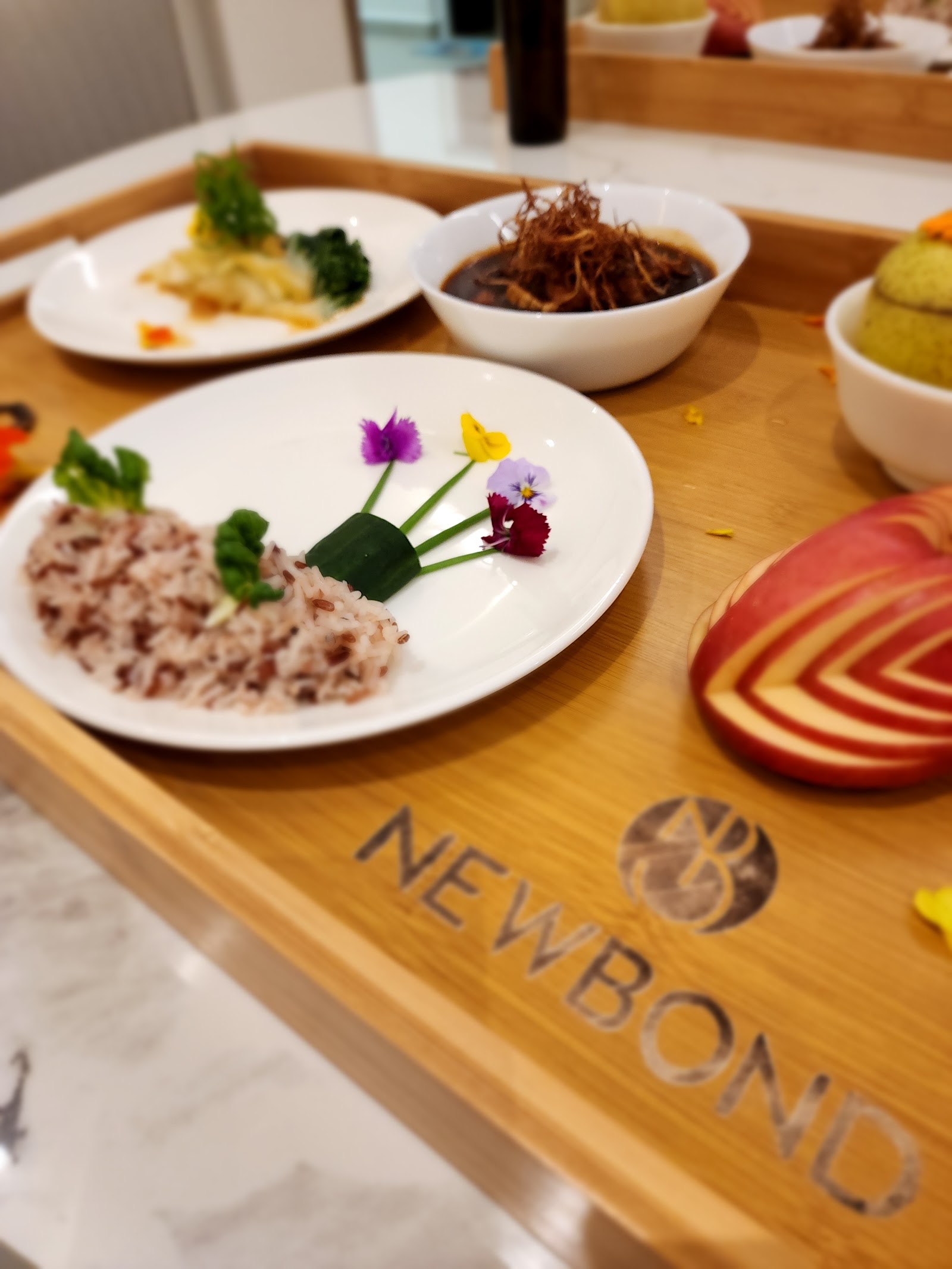
Ask three KL aunties what 月子餐 looks like and you will get one answer: ginger, sesame oil, more ginger. Open the meal sheet at a proper centre and it looks more like a four-act play. Week 1 has its own job. So does week 2, week 3, and week 4. Most mums do not realise this until day 15 when the soup suddenly tastes nothing like the one from day 3, and they wonder if the kitchen forgot.
It did not forget. The kitchen is moving through the four stages of confinement nutrition: 排毒, 调理, 滋补, 巩固. Roughly: clear out, repair, build back, settle. Here is what each one is trying to do, and what tends to land on your tray.
Stage 1: 排毒 (clear out), days 1 to 7
One big job this week: get rid of what the body no longer needs. The placenta is out but the uterus is still shrinking, lochia is heavy, swelling is dropping, and you are sweating off two to three litres of pregnancy water. The kitchen does not fight that, it helps.
What you eat in week 1
Light, warm, easy to digest. Rice porridge with red dates. Mild brown sugar ginger tea. Sesame oil scrambled eggs. Simple steamed fish. A small bowl of stewed pork in vinegar to gently help the uterus contract.
What you skip. Heavy black vinegar pig trotters, full-strength sesame oil chicken, big tonic soups packed with ginseng. Old TCM logic: slam in heavy tonics while the body is still trying to expel, and you "lock the door" on the lochia. If a centre is feeding you pig trotters on day 3, ask why.
Stage 2: 调理 (repair), days 8 to 14
The bleeding is tapering. You are walking further without your legs trembling. The food now turns to repair, mostly of the parts pregnancy stretched, loosened or pressed on: kidneys, lower back, pelvic floor, ligaments.
What you eat in week 2
Kidney-strengthening, ligament-supporting. Eucommia bark (杜仲) and pork kidney soup is the classic. Sesame oil pork loin. Mild herbal soups with red dates and wolfberries. Brown rice starts appearing alongside white.
Why kidneys. In TCM the kidneys govern bones, joints and lower-back strength. Repair them in week 2 and you feel less wobbly by week 3, less back-achy at month 2. Flavours get slightly stronger this week; ginger steps up, but not aggressively.
Stage 3: 滋补 (build back), days 15 to 21
The famous week. The smell of sesame oil chicken from the kitchen. The deep brown of black vinegar pig trotters. Longan and red date tea. The body is now ready to accept real tonic, because the clearing and repair are mostly done.
What you eat in week 3
Qi and blood tonics, full strength. Sesame oil chicken with rice wine. Black vinegar pig trotters with ginger and eggs. Longan and red date tea. Fish soups with green papaya for milk supply. Steamed chicken with wolfberries.
The milk piece. Most mums see a real supply lift in week 3. Some of that is the body catching up, some is the nutrient-dense soups, some is the rest. If you are running hot (night sweats, breakouts, sore throat), tell whoever is cooking: the ginger and rice wine can usually be dialed down without breaking the stage.
Stage 4: 巩固 (settle), days 22 to 28
The last stretch. The job is to consolidate what the first three weeks built, and to ease you back toward a normal diet. The kitchen pulls the dial back.
What you eat in week 4
Lighter tonics, more vegetables, less ginger. Chicken essence in smaller portions. Steamed fish more often. More leafy greens. Soups become lighter and clearer. Rice wine fades out of most dishes.
Why taper. Stop confinement food on day 28 cold and go straight to nasi lemak on day 29, your body notices. Tapering means the transition back is smooth, not a system shock. By end of week 4 you should feel warm but not hot, full but not heavy, and ready to cook again. Or, realistically, to order in without guilt.
The honest part: not every mum fits this exactly
The four-stage model is the framework most KL confinement kitchens run on, but real bodies need real adjustments.
- C-section recovery usually keeps the light stage longer. Stage 1 may stretch to day 9 or 10 because the wound is still healing and the gut is still waking up.
- Gestational diabetes or high blood pressure changes the rice wine, the sugar in the longan tea, and the salt in the soups. Tell the kitchen on day 1, not day 14.
- Vegetarian mums can absolutely do the four stages. Pork kidney becomes black sesame and walnuts. Sesame oil chicken becomes sesame oil tofu and mushrooms with rice wine. The principles travel.
- Aunties will disagree. Your mum may swear week 1 needs pig trotters, your mother-in-law may swear week 3 needs more wine. Listen, then ask the person cooking your food what their reasoning is.
The four stages are not a strict prescription, they are a sensible rhythm: clear what the body is releasing, then repair the structures, then refill the tank, then taper down. If your meals roughly follow that shape, the tradition is working as intended.