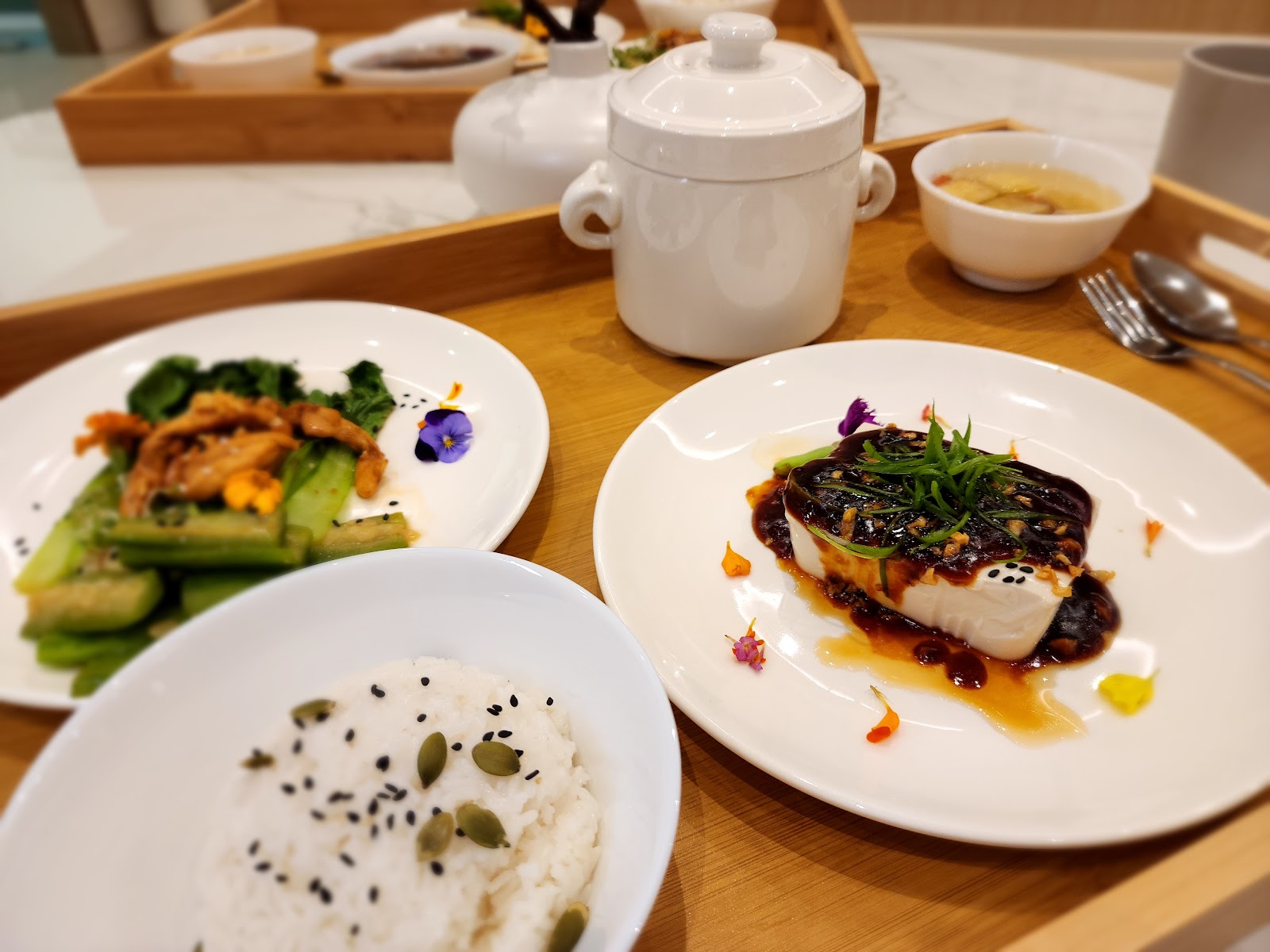
Open any confinement kitchen in KL on a quiet weekday morning and three things are non-negotiable: a pot of sesame oil chicken on the slow burn, a knife the size of a small boat, and a knob of old ginger the colour of a paper bag. The ginger is the engine. It is also, depending on whose great-aunt you ask, either the secret to a full recovery or the exact reason your mouth ulcers turned up on day 9.
So which is it. Friend, foe, or dose-dependent miracle. Mostly the third. Here is the walk-through.
What ginger actually does (the parts that are real)
Ginger (Zingiber officinale, 老姜 in Cantonese kitchens) is one of the few traditional ingredients where modern research mostly agrees with the great-aunts. In TCM language it is warming, nudging the body away from "cold" (寒) and supporting circulation. In modern language, it dilates small blood vessels and speeds up digestion. Both teams clap politely from opposite sides of the kitchen.
The specific bits worth knowing:
- It calms nausea, which is why ginger tea ends up in pregnancy and in early postpartum bowls
- It eases gut bloating and the slow, sluggish post-birth digestion most mums hit by day 3
- It supports peripheral circulation, useful when your hands and feet stay stubbornly cold after birth even in a hot Malaysian afternoon
- It is mildly antibacterial in the gut and, in long-simmered confinement soups, keeps the meat agreeable to a tired stomach
When 月子 cooks reach for old ginger by the fist, they are not being decorative. The dose is the point.
Old ginger, young ginger, galangal: the lineup
This is where families occasionally have small wars in the kitchen. Three roots, three jobs.
- Old ginger (老姜, lao jiang). Tough, fibrous, deeply yellow inside, with a strong heat. This is the confinement ginger. Used in sesame oil chicken (麻油鸡), pork knuckle in black vinegar (猪脚醋), and the slow herbal soups in weeks 2 and 3.
- Young ginger (嫩姜, nen jiang). Pink-tipped, juicy, mild. Lovely in stir-fry or pickled with sushi. Not what your confinement nanny is asking for. If she finds it in your pot, expect a raised eyebrow.
- Galangal (蓝姜 / lengkuas). A cousin, not a ginger. Common in Malaysian curries and Thai cooking, almost never in classic 月子 meals. Do not substitute.
If you are putting in your own grocery order, ask for "old ginger" or 老姜 specifically. Supermarkets sometimes stock both side by side, and the soft pink kind will not deliver the warmth the 28 days are built around.
Roughly how much you'll eat in a day
Confinement diets cycle through four phases: 排毒 (clear), 调理 (regulate), 滋补 (nourish), 巩固 (consolidate). Ginger ramps up gently rather than all at once.
Across a full day, a typical KL confinement plan lands somewhere between 30g and 80g of old ginger total, depending on body type, tolerance, and whose recipe is running the kitchen. For scale: 30g is about a thumb-sized piece sliced thin, 80g is closer to a small chicken-egg's worth, mostly cooked into broths and braises. You will not be eating it raw by the bowl. It steeps through soups and meat.
A loose week-by-week feel:
- Week 1 (排毒): light. Soups skew gentle. Ginger is present but not loud. Often 20g to 40g across the day.
- Week 2 (调理): climbing. Sesame oil chicken makes its first appearance and the smell of old ginger in hot sesame oil takes over the kitchen.
- Week 3 (滋补): the loudest week. Black vinegar pork knuckle (essentially a vinegar-ginger braise) might appear two or three times.
- Week 4 (巩固): scaling back. Less is needed; the body is closing the door on the heavy stuff.
If a centre or nanny is pushing past 100g a day, every day, every week, that is on the high side for KL norms and worth a conversation.
Signs you've had too much (and what to actually do)
The classic markers of 上火 (heatiness) from too much ginger turn up in roughly this order:
- Mouth ulcers, especially on the inside of the lips
- Sore throat with no cold
- Constipation that is new for you in confinement
- Dry, itchy skin or scalp
- A strong "warm" feeling at the back of the neck that does not fade
If two or more show up together, you do not need to ban ginger. You scale it back. Halve the visible slices in your soup. Skip the sesame oil chicken for two days and ask for a milder herbal soup instead. Drink room-temperature water (yes, in 月子, room temperature is fine if you have been over-warmed). Add a little watercress or cucumber on the side. Both quietly cool the system.
By day 3 of the scale-back, most mums feel the heat ease off and ginger can return at half the original dose.
Who should ask the doctor first
Most mums tolerate confinement-level ginger fine. A few cases benefit from a quick check-in:
- C-section recovery in the first 5 to 7 days. Some doctors prefer a slower introduction while the gut wakes up
- If you are on blood-thinning medication. Ginger has mild antiplatelet effects; the practical risk in soup quantities is small, but it is worth your gynae knowing
- High blood pressure. Heavy daily ginger can nudge blood pressure up in some mums
- Breastfeeding babies who are unusually fussy or gassy after feeds. Sometimes the culprit is a different food in your diet; sometimes it is ginger. Two days of scaling back will tell you fast
This is information, not medical advice. Your gynae and paediatrician know your case.
The honest part
Some KL aunties run the ginger high. Hokkien-leaning confinement in particular can come in hot, with fist-sized knobs in every pot, and a few mums genuinely come out of it feeling cooked rather than restored. The right amount of ginger is the one that your body, this baby, and this pregnancy can use. Not your sister's number. Not your mother-in-law's number. Yours.
Watch for the heat signals, scale back early, and let the ginger do its job at the lowest useful dose. That is the whole game.