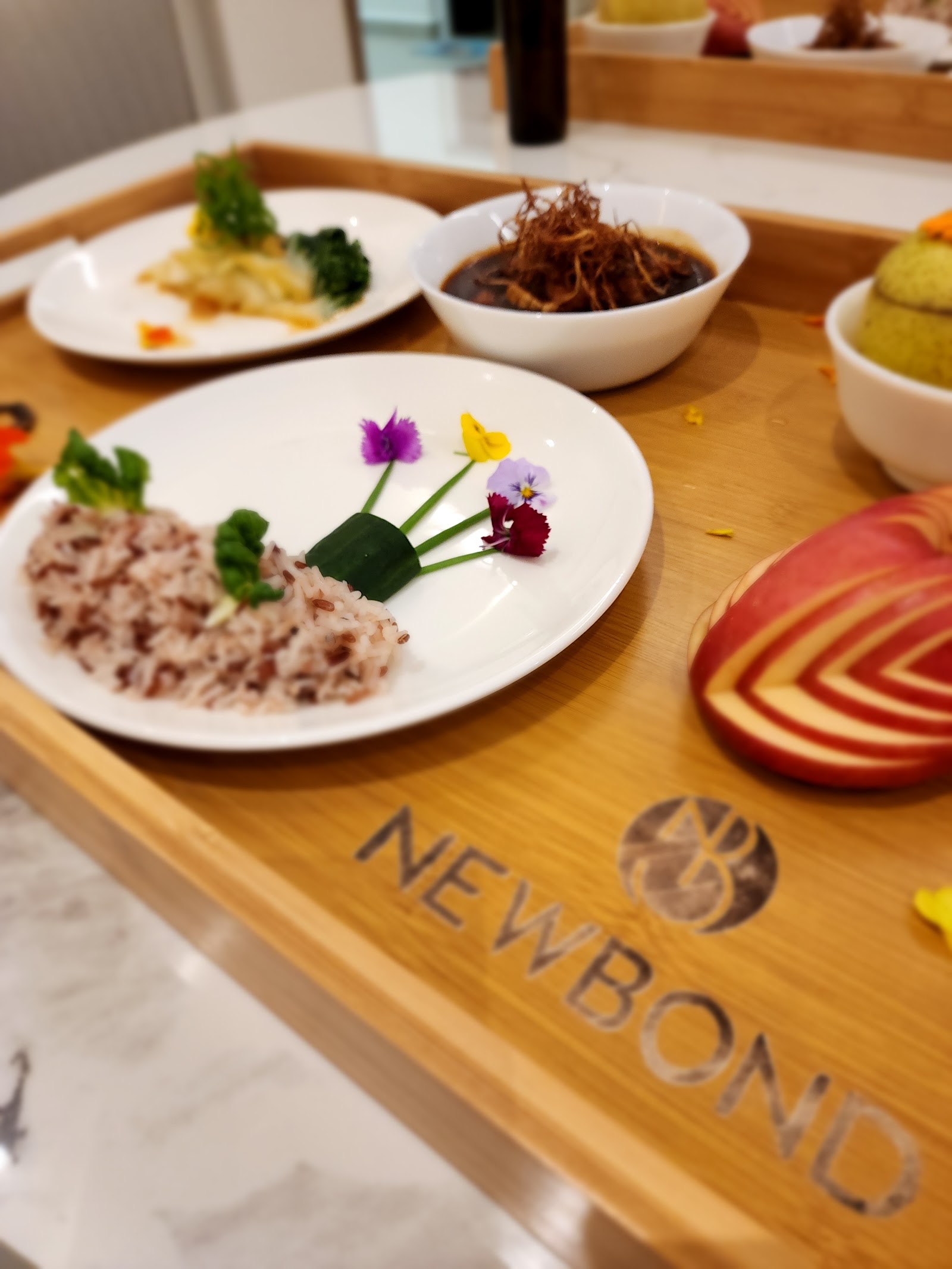
Your mum says ginger, sesame oil, and absolutely no cold water. Your nutrition app says lean protein, iron, and two litres of fluid a day. They sound like they are arguing. Stand in the confinement kitchen long enough, though, and you notice something strange: most of the time, they are saying the same thing in two different languages.
Confinement food has been quietly doing good nutrition for centuries. It just never used the vocabulary. Here is where the old wisdom and the new science shake hands.
Protein: the thing both sides are obsessed with
Sesame oil chicken (麻油鸡), fish soup, pork ribs, eggs, peanut-and-red-bean everything. The 月子 table looks like pure tradition. A nutritionist looks at the same table and sees one word: protein. After birth your body is rebuilding. A perineal tear or a C-section incision is knitting back together. Your uterus is shrinking from the size of a watermelon back to a pear over roughly 6 weeks. And if you are breastfeeding, you are manufacturing 600 to 800ml of milk a day. All of that runs on protein. Aim for a palm-sized portion at every meal. The confinement kitchen was doing this long before "macros" was a word.
Iron: because you actually lost blood
A vaginal birth loses around 500ml of blood. A C-section is often closer to 1,000ml. That is a real dent in your iron stores, and low iron is a big reason new mums feel like they are wading through wet sand by 3pm. Now look at what 月子 puts on the plate: pork liver, kidney, red meat, pig trotter, dark leafy greens, red dates. Iron, iron, iron.
Modern nutrition adds one tip the old recipes did not know about: pair iron-rich food with a little vitamin C (a few orange segments, some capsicum) and your body absorbs the iron noticeably better. Tradition picked the right foods by instinct. Science explains why, and nudges the absorption up.
Warm and cooked beats cold and raw
Confinement says warm food, warm drinks, nothing straight out of the fridge. The modern reason is not 寒气 (cold energy). It is plumbing. After birth your digestion slows right down for a week or two, and constipation is one of the most common postpartum complaints. Warm, well-cooked, soft food (porridge, soups, steamed fish, braised vegetables) is simply easier on a sluggish gut than a cold raw salad.
So the 月子 instinct to keep everything warm and gently cooked lands in exactly the right place, even if the explanation your great-aunt gives is not the one a dietitian would write down.
Fluids: yes, even during 月子
Here is where the old "drink as little water as possible" rule makes people nervous. The softer, more accurate version: you still need fluids, you just get most of them warm and flavoured rather than as glasses of plain cold water. Red date tea, ginger tea, fish and herbal soups, longan water, these are all fluid. If you are breastfeeding you lose around 700ml a day to milk alone, so going truly dry is never the goal. The confinement kitchen delivers fluid through the soup bowl. Modern nutrition just asks you to keep the daily total up, somewhere around 2 to 2.5 litres including all those soups.
Where they politely disagree (and how to split the difference)
There are a few genuine gaps, and they are smaller than the internet would have you believe:
- Salt. Some confinement traditions ban it almost entirely. Modern nutrition says a little salt is fine and even helpful. Only mums with high blood pressure need to watch it closely.
- Alcohol. Many recipes lean hard on rice wine. A long simmer cooks most of it off, but if you are breastfeeding and a dish still tastes strongly of wine, it is completely reasonable to ask the kitchen to go lighter.
- "No fruit or vegetables." The strictest versions cut out produce for being "cooling". You lose fibre and vitamin C that way, which does not help the constipation problem. The middle path is warm cooked vegetables and gentle fruits like papaya and longan, rather than nothing at all.
The honest part
Neither side has the whole answer. Some confinement rules are cultural comfort dressed up as nutrition, and that is genuinely fine. A warm bowl handed to you by someone who loves you does something a supplement label never will. And modern nutrition, for all its accuracy, can be cold and clinical and a bit tone-deaf to the fact that you are exhausted and you just want the soup your mother made.
The smartest confinement month is not a contest. It keeps the protein, the iron, the warmth, and the soups, and it quietly relaxes the few rules that have no nutrition behind them. If you are managing something like gestational diabetes or high blood pressure, the balance shifts, and a doctor or dietitian should help you tune the menu to your case.